

FoodTech: communication that turns your food innovation into business conviction
Your retail buyers want flavor, margins, and a brand they can trust. Your investors want a credible path to profitability. Your industrial partners want technical proof. In a sector that has seen its first major setbacks, Linker builds the communication that restores confidence and makes your FoodTech the benchmark the market chooses.
4000+
500+
250+
Why do FoodTech solutions absolutely need to communicate?
Following the wave of restructuring that shook the sector, investors and buyers are more demanding than ever. Communicating precisely about scientific evidence, the path to profitability, and real impact has become a prerequisite for moving forward in a market that has learned to be wary of empty promises.
Restoring trust after the sector's major disillusionments
The difficulties faced by several French pioneers have left their mark: funds are more cautious, buyers more skeptical, and industrial partners more demanding. A founder who communicates realistically about their path to profitability, concrete market evidence, and what differentiates their approach from those who failed, rebuilds the trust that the sector has lost.
Convincing retail buyers before listing
Purchasing directors at Carrefour, Leclerc, Monoprix, or Biocoop build their shortlists well before supplier meetings. They read LSA, follow innovations in the food press, and remember the founders who take positions on consumer trends. A FoodTech product whose founder is visible in LSA arrives at buyer meetings with a decisive advantage.
Raising funds by proving a realistic path to profitability
Agri and foodtech funds have tightened their criteria following the industrial failures of 2024. They no longer fund "food revolutions," but rather players who demonstrate a viable economy: recurring B2B clients, a controlled ingredients vs. capex model, and quantified impact. A founder visible in DigitalFoodLab and Les Echos with this realistic narrative arrives at fundraising meetings with the right doors already open.
Navigating French gastronomic culture without clashing with it
France has a unique relationship with food. Food innovation is sometimes perceived as a threat to culinary tradition. A FoodTech founder who takes a stand on the complementarity between innovation and French gastronomy, and who speaks as much about taste as technology, builds a level of credibility that foreign players cannot achieve in this market.
Attracting industrial partners through open innovation
Danone, Nestlé, Bonduelle, Sodiaal: major agri-food groups are looking for FoodTech partners for their open innovation programs. Their monitoring teams identify founders in the trade press and on LinkedIn before sending that first email. Visibility is the most effective channel for acquiring industrial partnerships in this sector.
Communicating impact without falling into impact-washing
FoodTech is driven by deep convictions regarding food sustainability. However, investors and buyers have been saturated with unmeasured impact promises. A founder who communicates with precise metrics (kg of CO2 avoided, tons of waste repurposed, liters of water saved) is immediately more credible than one who remains vague about the "food transition."
Where food buyers and investors form their convictions
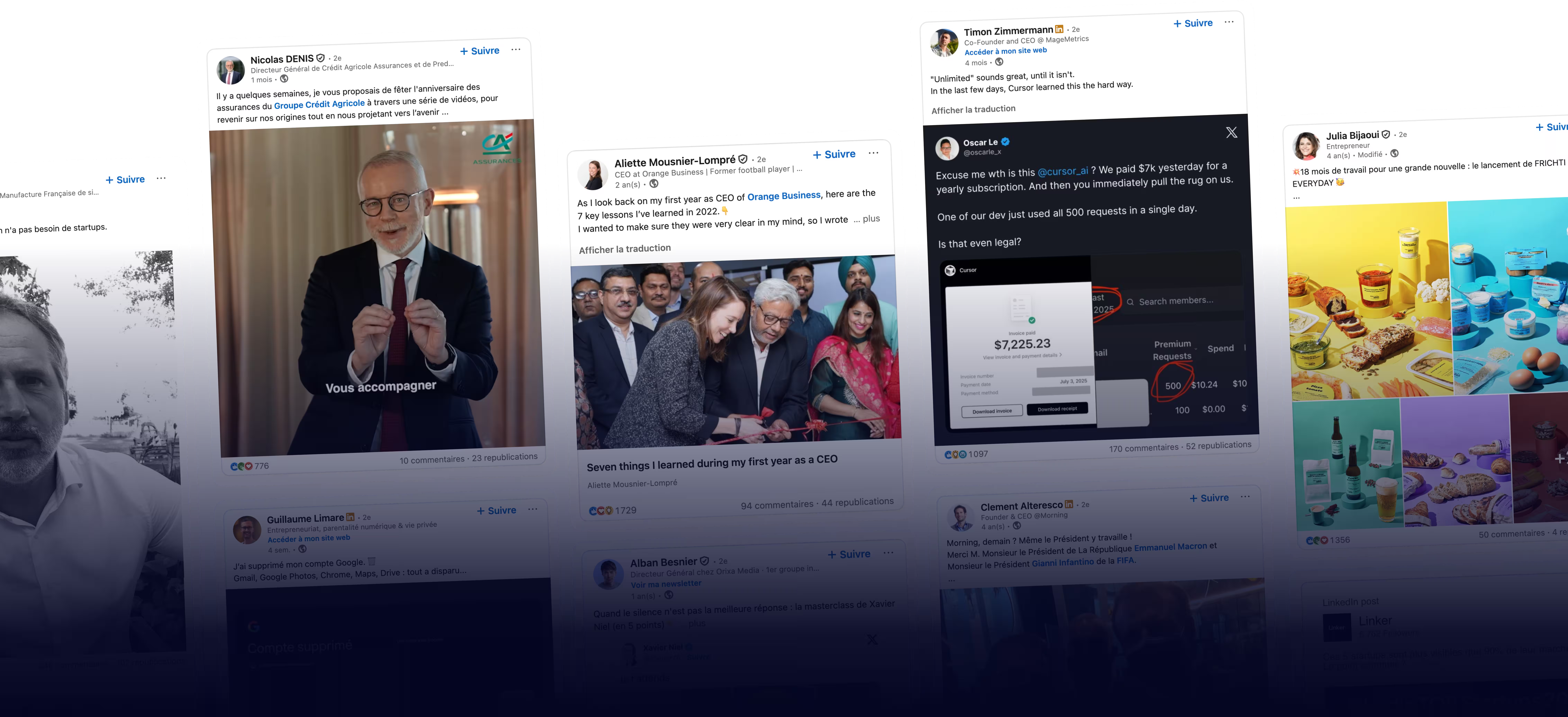
Retail purchasing directors read LSA and track food innovations before their supplier meetings. ESG and agri-funds follow DigitalFoodLab. Journalists at Le Monde and Les Echos cover startups that have a story to tell. Linker builds your presence across all these channels simultaneously.
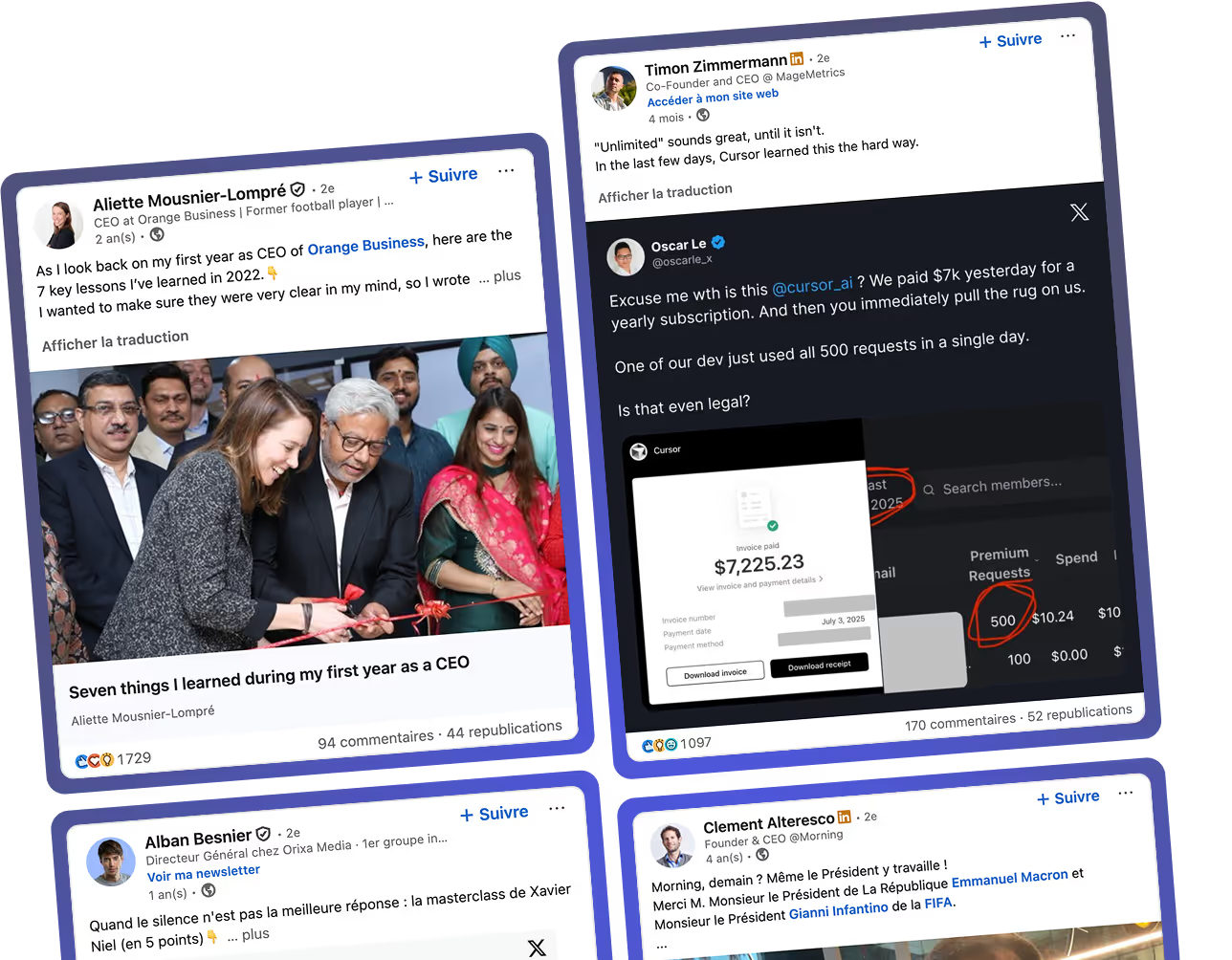
LinkedIn to engage your prospects, investors, and talent on a daily basis.
Retail buyers, innovation managers at agri-food companies, and specialized funds use LinkedIn to track food trends: alternative proteins, waste reduction, fermentation, and personalized nutrition. Linker positions FoodTech founders as the experts the food ecosystem cites, shares, and contacts before opening a tender or partnership process.

Public Relations
Public Relations to establish your legitimacy in the media that matters.
An op-ed in LSA on new consumer expectations or an interview in DigitalFoodLab about your fermentation approach builds a level of credibility that LinkedIn cannot achieve alone. Linker places FoodTech solutions in the media read by your retail buyers, industrial partners, and investors, with angles rooted in the real debates of the moment.

Combining both levers for greater impact
In FoodTech, reputation is built on two levels simultaneously: scientific and business credibility (trade press, economic press) and a daily presence in food ecosystem conversations (LinkedIn). LinkedIn nurtures the buyers and funds that monitor the industry continuously. The press establishes the authority that opens doors to industrial players and investors who otherwise wouldn't have discovered your startup. Together, they create the influence system that transforms your FoodTech into a benchmark in its segment.
Startups & scale-ups supported by Linker
















































The moments when your FoodTech communication becomes decisive
Your FoodTech scale-up's journey always has a story to tell. A first retail listing, industrial proof of your fermentation process, or a partnership with an agri-food group. These milestones build your reputation, provided they are shared in the right media at the right time.
Demonstrate the realism of your approach in a post-bubble market
Active FoodTech investors monitor DigitalFoodLab and Les Echos before meeting founders. Linker deploys a LinkedIn and press strategy that positions your profile on the topics that matter to 2026 investors: the path to profitability, B2B proof, technical differentiation, and market access. You no longer enter a fundraising round as a visionary in a sector of empty promises, but as a credible player who has learned from the industry's past mistakes.
Create the media buzz that precedes your retail launch
SIAL in Paris brings together food buyers from all over the world. A retail listing is a decision that is prepared months in advance. In both cases, Linker orchestrates the preceding coverage: press angles in LSA or Process Alimentaire, founder LinkedIn posts on the trends that justify your product, and briefings for food journalists in mainstream media. You arrive at SIAL or at buyer meetings with a reputation already built.
The founder as an innovation partner identified by industry players
Open innovation teams at major food groups look for FoodTech partners in trade press and on LinkedIn, not just at events. Linker builds the visibility that makes your startup the solution that innovation managers at Danone, Nestlé, or Bonduelle find when they are looking to address their sustainability, alternative protein, or waste reduction challenges. You enter into partnerships with the status of an expert, not a solicitor.
Are you preparing for a retail listing, a fundraising round, or your positioning at SIAL?
30 minutes to analyze your position in the FoodTech ecosystem, understand your goals, and define the communication levers that make sense for your current stage. Based in Paris, we work with FoodTech startups all over France.
What Linker builds for FoodTech companies
We work exclusively with tech startups and scale-ups. We understand FoodTech, its buyers, and its multi-audience communication challenges. It is this cross-functional perspective that allows us to build a narrative that speaks to retail buyers, industrial players, investors, and talent alike.

We master your HR vertical
Alternative proteins, food waste, functional ingredients, mass retail: no need to explain your market to us. We know the challenges food buyers face, the criteria of ESG funds, and the arguments that make the difference.


2 areas of expertise combined
You master the science and the product; we master LinkedIn and PR. We know how to build the narrative that convinces a retail purchasing director about taste and margins, an ESG fund about impact and profitability, and an industrial player about technical proof.

HRTech media network
DigitalFoodLab, LSA, Les Echos: Lasting relationships with journalists covering food innovation, mass retail, and the startup ecosystem in France. Your messaging reaches the right contacts with the angles that interest each editorial team.

Full delegation or guided support
Do you prefer to delegate entirely or keep control? Linker adapts to your needs, whether for LinkedIn or PR. The goal remains the same: to make you the FoodTech founder that buyers, industry players, and funds identify as the benchmark in your segment.
Startup founders who built their credibility with Linker
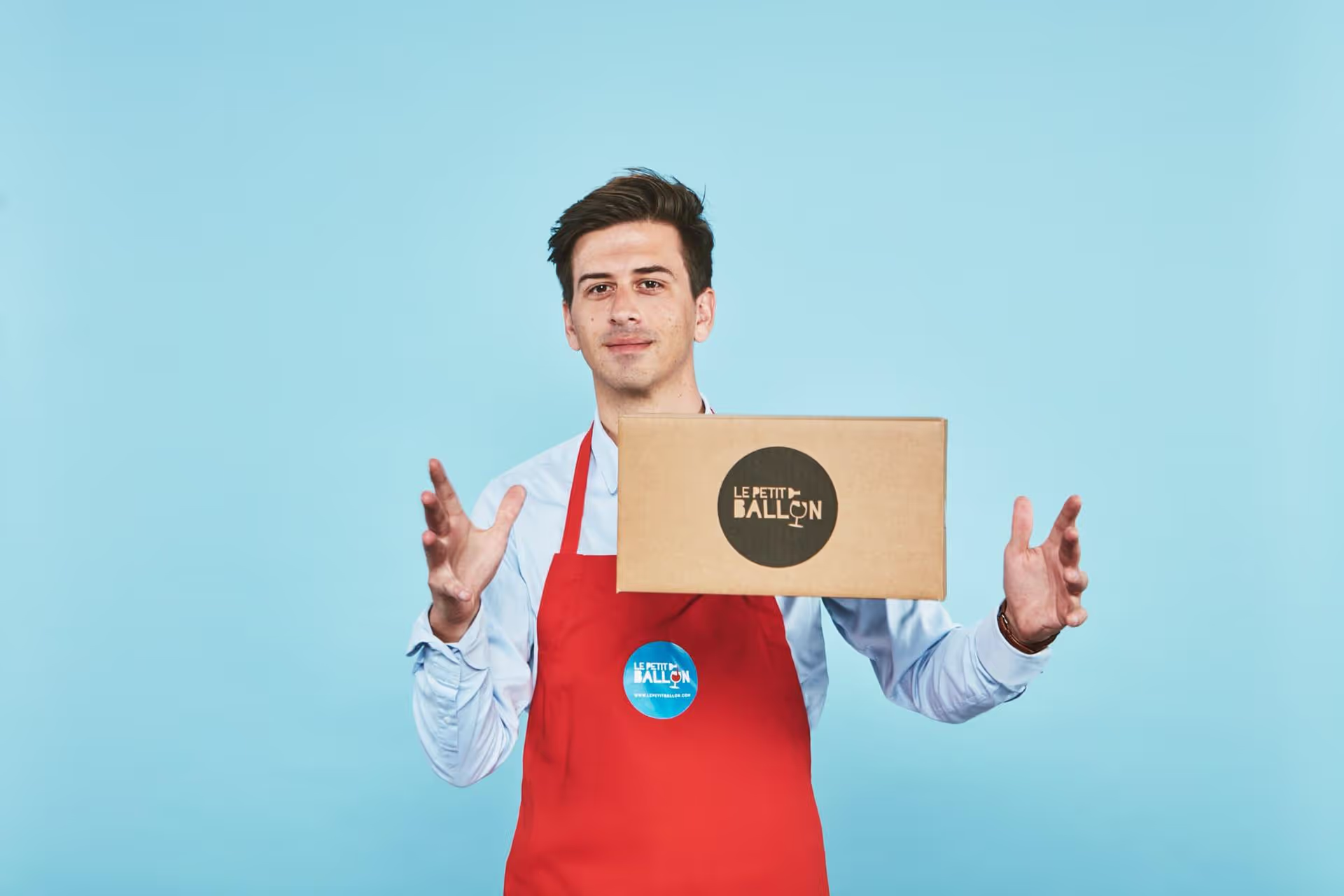
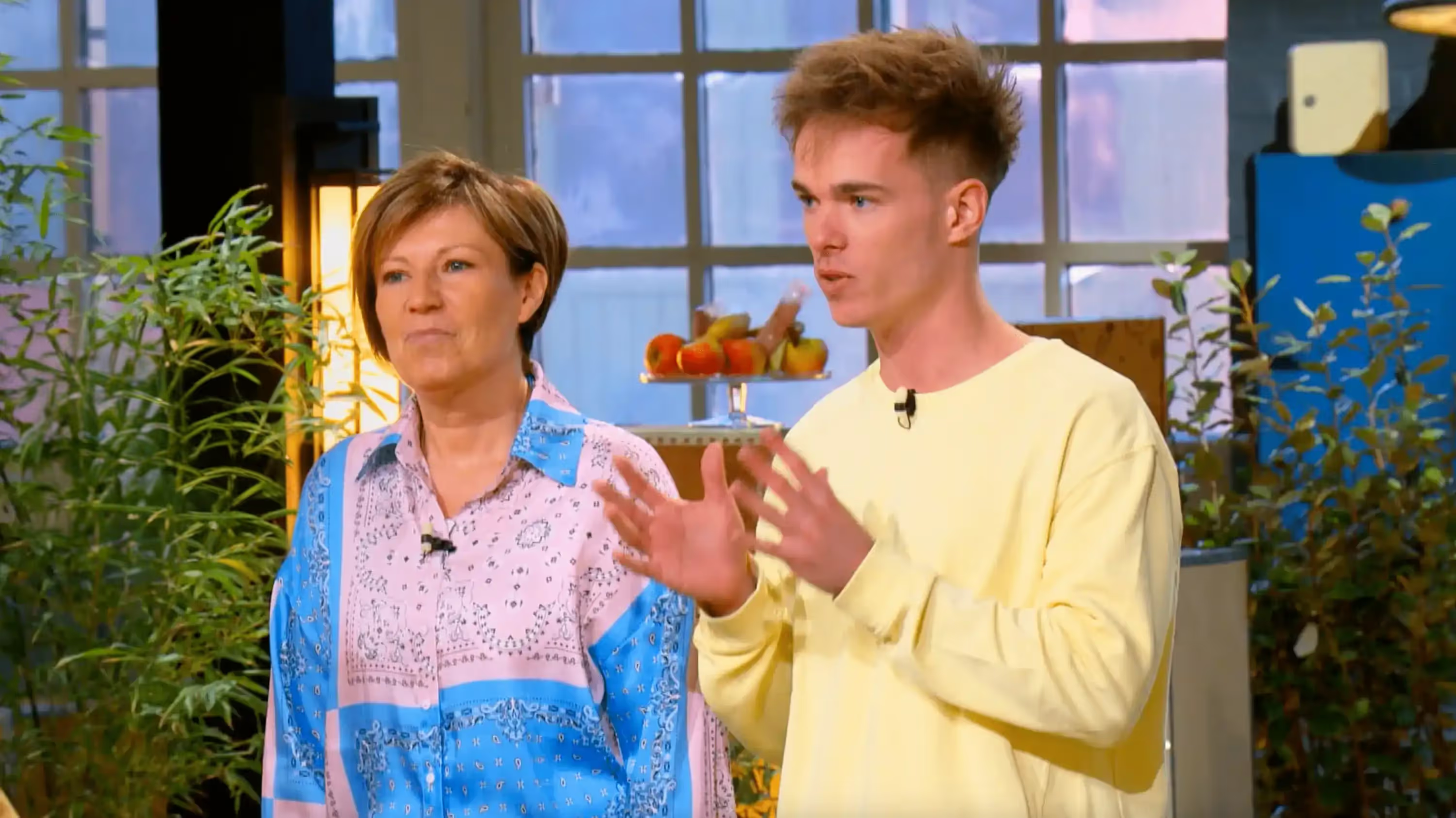
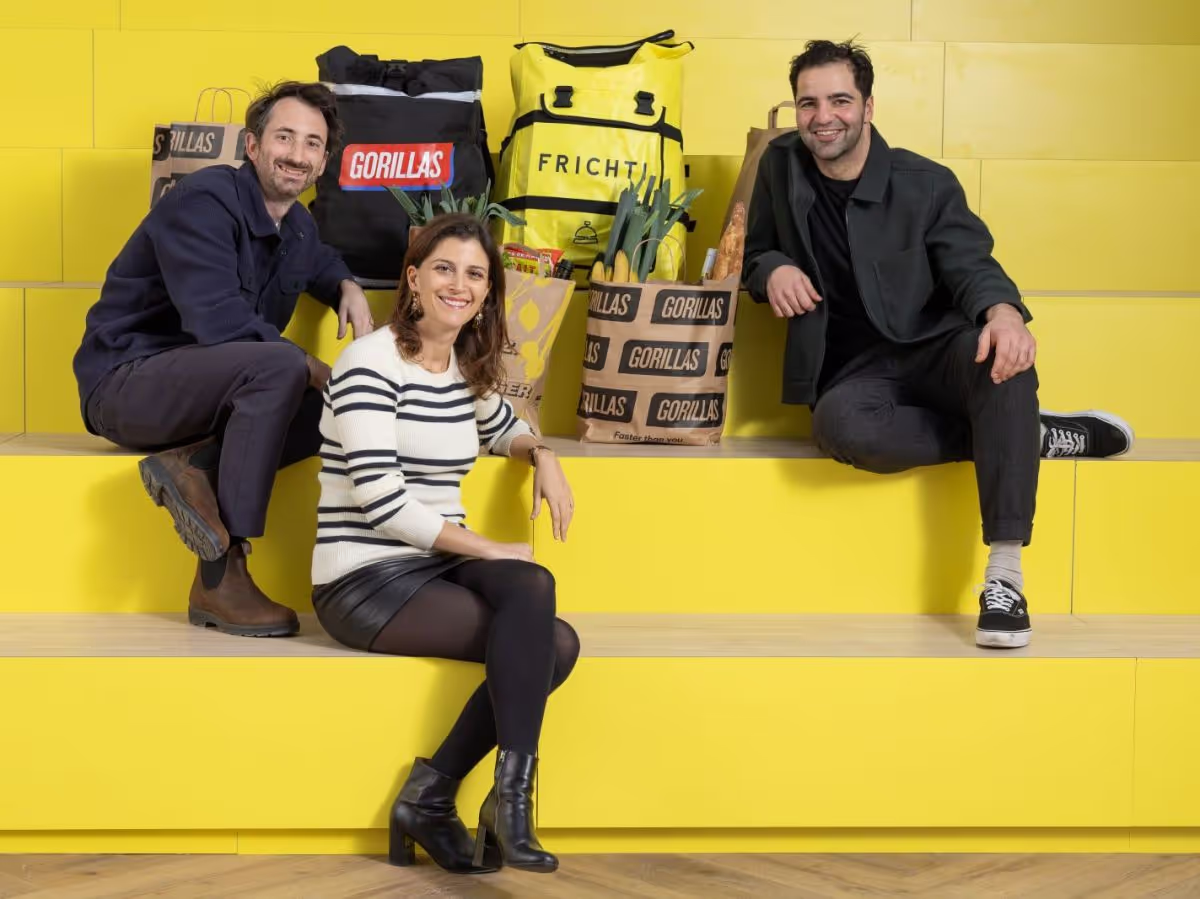
Founders listed in major retail chains following a targeted visibility campaign in LSA. FoodTech leaders receiving inbound inquiries from innovation managers at major food industry players. Startups arriving at SIAL with a reputation already established among international buyers.



Two levers to establish yourself in the FoodTech ecosystem
LinkedIn to occupy space in the food community and create daily social proof for buyers and funds. The press to establish the long-term legitimacy of your solution with manufacturers, distributors, and investors. Together, they create the influence system that turns FoodTech founders into benchmarks in their food segment.
Discover the services of our LinkedIn and Public Relations (PR) agency in Paris.
LinkedIn Agency
To engage your prospects, investors, and talent.
Ghostwriting or LinkedIn coaching, content strategy, personal branding: Linker builds your LinkedIn presence within your FoodTech vertical. Alternative proteins, precision fermentation, food waste reduction, personalized nutrition, functional ingredients. We structure the angles that resonate with your retail buyers, industrial partners, and investors.


Public Relations Agency
To establish your legitimacy in the media that matters.
Tailor-made journalist pitches, op-eds, press releases, Media Training: Linker positions you in DigitalFoodLab, LSA, Process Alimentaire, and Les Echos on the topics driving your market. Protein innovation, food sustainability, consumer trends, fermentation, waste reduction. Every piece of coverage serves a specific goal.
What FoodTech startup teams ask us before getting started
FoodTech is the only tech sector where communication must simultaneously convince on technology, impact, taste, and profitability. Here are the questions spokespeople ask themselves before structuring their messaging in a market that has learned to be wary of promises that sound too good to be true.

Resources LinkedIn & Public Relations for startups and scale-ups


LinkedIn communication and Public Relations agency in Paris.

